

 Call Us Today
What to Do If Your Furnace Stops Working in an Emergency
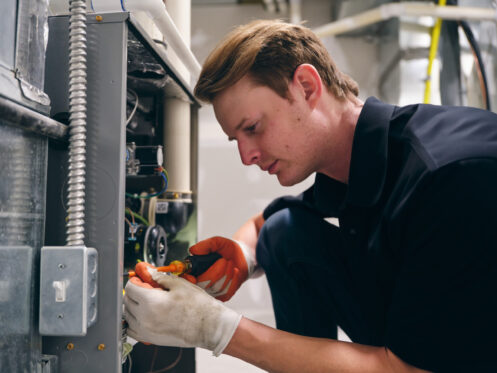
When your furnace stops working on a cold night, it’s more than an inconvenience. A sudden loss of heat can quickly create unsafe conditions for your home and family. Acting quickly and safely makes a big difference. Hoff Heating & AC in O’Fallon wants our customers to know what to do in the case of a furnace emergency. Stay safe and learn what to avoid during a heating emergency.
Stay Calm and Assess the Situation
When the heat shuts off, panic can set in quickly. Before reacting, take a moment to assess what’s happening. Determine if you are hearing strange noises. Do you notice any unusual odors, such as burning smells, or do you see smoke?
If there are no signs of immediate danger, start with a few simple checks. Some furnace issues have quick fixes. If you notice any dangerous signs, like the smell of gas, get out of the house right away.
Check the Thermostat
A surprising number of heating repair calls result from a thermostat that needs repair. First, ensure the thermostat indicates it’s on the heat setting. Verify that the set temperature is higher than the current room temperature.
If your furnace runs on batteries, replace them and see how it responds. Insufficient power can cause communication problems between the thermostat and furnace.
Should you notice a blank or flickering display, you’ve probably lost power. Check your breaker panel next.
Inspect the Breaker Panel
Locate your home’s electrical panel. Locate the breaker labeled ‘HVAC’ or ‘furnace’ and ensure it’s in the correct position. If tripped, flip it back on.
If your breaker trips again immediately, don’t force it into position. That likely means there’s a problem with the wiring or a motor issue. Shut off your furnace, and call for repairs immediately.
Look for Simple Reset Options
Some furnaces have a small reset button on the central unit. It’s often red or yellow. If you’ve tried the thermostat and breaker with no response, you can try pushing this button once.
Wait a few minutes and see if the furnace starts. If the furnace doesn’t respond, don’t press the reset button repeatedly. Doing so can flood the burner with fuel or overload the system, potentially causing damage.
Inspect Your Air Filter
A clogged air filter is one of the most common causes of sudden furnace shutdowns. Restricted airflow can make the unit overheat, triggering a safety shutdown.
Locate your filter. It’s usually near the return air vent or blower compartment. If it appears overly dirty or dark in color, replace it immediately.
After replacing the filter, try turning the furnace on again. If the furnace still won’t run, continue troubleshooting or call a professional technician for a system check.
Check the Pilot Light or Ignition
If you have an older gas furnace, check the pilot light window. If it’s out, follow the manufacturer’s instructions to relight it safely.
Never attempt to relight the pilot light if you smell gas. Evacuate the home immediately and follow the procedures outlined below for responding to a gas leak.
Modern furnaces use an electronic ignition system. These often fail due to sensor issues, dust buildup, or electrical problems. Professionals are the ones to handle these issues and ensure safe repairs.
Emergency Steps for Gas Leaks
If you ever smell natural gas, a rotten egg or sulfur odor, treat it as an emergency. Do not use any electrical switches, phones, or lighters inside the home.
Leave immediately and move a considerable distance away from the home or building. Call your local gas utility’s emergency number or 911. Do not return to your home or building until professionals give you clearance. Even a small spark can ignite leaking gas. Safety comes before your property!
Carbon Monoxide Alarms
Carbon monoxide is an invisible, odorless gas that can be deadly. Every home with a gas furnace should have CO detectors on every level and near bedrooms. These alarms can save your life.
If your carbon monoxide alarms go off, get everyone out of the house immediately. Call 911 from a safe outdoor location. Do not reenter your home until the crews have declared it’s safe.
Once your home is safe, schedule a professional visit to locate the leak. Cracked heat exchangers and blocked vents can both cause CO leaks.
What to Do When It’s Freezing and the Furnace Won’t Restart
During a cold spell, losing heat can be dangerous. Layer the family up with warm clothing, and gather everyone in one room.
Close the doors to unused areas, and use towels to block drafts under the doors and windows. You should also cover windows to keep warmth inside.
Never use an oven, grill, or unvented space heater for heat. These can create carbon monoxide buildup. If the outdoor temperatures are unbearable and your furnace won’t work, we offer emergency heating repair services.
When to Call for Professional Help
Heating repair issues are not suitable for DIY approaches. You should always call a qualified technician if you notice the following:
- Smell of gas or hissing near the furnace
- Soot, smoke, or scorch marks
- Frequent breaker trips
- Burning or metallic odors
- Troubleshooting without success
Preventing Further Emergencies
Most furnace failures occur when owners fail to seek maintenance. Regular tune-ups prevent breakdowns and improve efficiency. It’s wise to schedule annual furnace maintenance in early fall. We offer professional furnace maintenance services to ensure the safety and efficiency of your system.
Additionally, you should check your filter monthly and replace it as needed. Most manufacturers recommend filter changes every one to three months.
You also need to keep the furnace area clear of any obstacles. Your furnace needs proper airflow to heat safely.
Know Your Emergency Contacts
Keep a list of important phone numbers in your phone. Include the following:
- Your local HVAC company
- Fire department
- Local gas company
Having access to these numbers during an emergency can help you act quickly. People often panic in an emergency, and having these numbers handy makes getting help easier.
Don’t Ignore the Warning Signs
While furnaces can break down suddenly, they often show signs before they do. If you hear banging, rattling, or grinding, schedule immediate repairs. Additionally, if you notice these signs, call right away.
- Uneven heating
- Frequent cycling
- Higher utility bills
You should never ignore the signs of problems. Ignoring these signs can lead to emergencies.
Regular inspections by our professionals can help us identify minor issues before they turn into complete breakdowns. Our technicians can help you keep your system in good condition, reducing the risk of sudden shutdowns.
Stay Prepared Year-Round
You can’t control when your furnace will shut down, but you can be ready. Knowing the signs of furnace emergencies, like gas or CO leaks, can protect your family. The tips we’ve outlined above can help you stay calm and take the correct actions.
Hoff Heating & AC offers emergency heating repairs when sudden issues arise. Our technicians work hard to restore warmth and safety to your home. We also perform safety inspections and preventative maintenance.
We’ve been proudly serving our customers since 1983, ensuring your complete satisfaction. Hoff Heating & AC has helped thousands of home and business owners.
Contact Hoff Heating & AC today to schedule professional furnace repairs in O’Fallon. You can count on us to deliver trusted services!