


 Call Us Today
What is Included in Fall Heat Pump Maintenance?
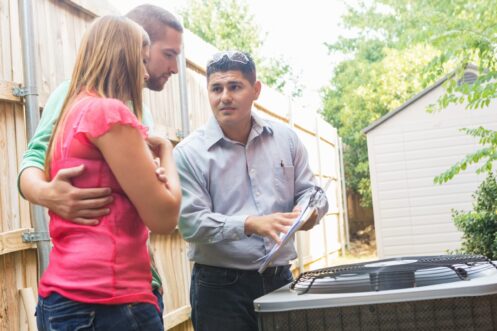
As fall starts to shift the outdoor air from warm to crisp, your heat pump needs a reset. After a long summer of cooling, it’s about to switch gears. That kind of seasonal transition is harder on the equipment than most people realize. During a well-timed maintenance visit, an HVAC technician can smooth out the change, spot any hidden issues from the cooling season, and make sure your heat pump is ready to heat efficiently.
At Hoff Heating & AC, in O’Fallon, MO, we walk homeowners through precisely what we check, why it matters, and how it keeps your system running longer. Our goal isn’t just to fix things when they break. We’d rather help you prevent breakdowns entirely, so you stay comfortable throughout the year.
Switching to Heating Mode Isn’t Automatic
Your heat pump doesn’t just flip from cooling to heating like a light switch. It shifts how it moves refrigerant, how the reversing valve operates, and how the outdoor coil behaves in colder air. In the summer, the outdoor coil dumps heat. Once the system moves into heating mode, it pulls heat from the cold air outside.
That’s a big change in function, and it only works smoothly when everything is clean, sealed, and balanced. During maintenance, a technician checks how that switch operates. If your reversing valve sticks or the sensors misread the temperature, the heat pump might struggle to produce warm air. That can lead to short cycling, frozen coils, or no heating at all. Fall is the right time to catch that.
Refrigerant Behavior Changes in Cold Air
In heating mode, the outdoor coil runs much colder than it did during the summer. That means refrigerant pressure shifts, airflow demands rise, and sensors must respond quickly to changes in outdoor temperature. A small leak that didn’t affect your cooling could suddenly throw your heating out of sync. When pressure drops too low, the heat pump may lock up or blow cool air instead of warm.
During maintenance, techs use gauges to check refrigerant levels and pressure while the system runs in both modes. If something’s off, they’ll figure out whether it’s a metering device issue, a sensor failure, or a leak. Catching that in the fall makes all the difference when winter hits. If refrigerant needs recharging or a repair is needed, it’s better to do it before freezing nights make it urgent.
Dirty Air Filters Mean Colder Rooms
It might sound basic, but dirty air filters are one of the biggest reasons heat pumps struggle. When airflow drops, the heat pump starts running longer to meet the thermostat setting. That stresses both the compressor and the blower motor, and it never really gets the home comfortable. If the filter gets too clogged, the coil may freeze, or the system may shut down altogether. Some homeowners replace filters religiously, while others forget for months.
A technician can tell right away whether your filter needs to be swapped out and whether your home’s layout needs a different filter size or type. They’ll also check if airflow through the return is getting blocked by furniture or if the ductwork is causing uneven pressure across rooms. In the fall, this step helps your system breathe freely as it transitions into heating.
Electrical Parts Face More Wear in Winter
Your heat pump’s electrical components work year-round, but cold weather puts more stress on components such as contactors, capacitors, and defrost controls. When the unit switches into heating mode, it might trigger the defrost cycle periodically to melt ice off the outdoor coil. That process is entirely electronic, and if a sensor misfires, or a relay sticks, the unit might get stuck in defrost or never enter that cycle.
A technician checks all of that in the fall. They test start-up amperage, inspect relays and boards for corrosion or wear, and make sure wiring is tight and undamaged. That keeps your heat pump from shutting off randomly when temperatures drop or producing cold air when it should be warming the house. It’s better to test those parts in mild weather than to discover they failed during the first cold snap.
Why Clean Coils and Clear Drains Keep Your Heat Pump Running Right
In heating mode, your outdoor coil has one job: to pull warmth from chilly air and bring it inside. It can only do that if air moves freely across its surface. When leaves, pollen, or dust pile up, that airflow slows down. Your heat pump has to work longer to reach your set temperature, and you might hear louder fan noise or notice the air feels cooler than it should.
During a fall service visit, the technician clears away debris and checks for damage. If the coil is bent or blocked by weeds, they’ll straighten or clean it, so the unit can run quietly and evenly again.
At the same time, your system might be handling leftover humidity, especially during those warm, damp fall afternoons. Moisture still forms inside, and it drains through a small pipe. That line needs to stay clear and angled the right way, or it can clog and send water back into the unit. You might spot a musty smell or even a wet patch near the air handler.
Fall maintenance includes checking the drain line, flushing it out, and ensuring proper water flow. Keeping both the coil and the drain in good shape helps your heat pump shift smoothly into the colder months with no mess, no slowdowns, and no surprises.
Thermostat Settings Can Work Against You
If you switched your thermostat to heating mode and expected everything to go smoothly, you’re not alone. The problem is that different systems need different thermostat logic. Some thermostats use staging to control multiple heating levels. Others activate electric backup strips if the temperature drops below a certain point. If your thermostat isn’t calibrated to match your system’s heating behavior, you might end up using more electricity than needed or letting the system short cycle.
During a fall check-up, a technician will test the thermostat’s readings against actual air temperature and match the programming to your system. If there’s a better schedule or setting that balances comfort and energy use, they’ll show you how to set it. If your thermostat is too old or glitchy to keep up, fall is a good time to talk about an upgrade.
Heat Mode Puts More Strain on the Blower
When your heat pump switches into heating, the blower motor might run longer cycles. Heating cycles often last longer than cooling ones, especially when the outdoor air is colder. That means the blower works harder to push warm air into every corner of the house. If the motor is dirty or the bearings are wearing out, you might notice odd humming sounds, slow starts, or low airflow in certain rooms.
A fall maintenance visit includes checking the blower motor, lubricating moving parts if needed, and testing its electrical draw. That helps catch issues before you lose heat on a cold morning. If the motor needs replacement, you’ll have time to weigh your options and avoid a rushed repair during bad weather.
Schedule Your Fall Heat Pump Maintenance Visit Today
Fall maintenance helps your heat pump do its job without strain or surprises. It sets the tone for the heating season, giving you better comfort, fewer problems, and lower energy use when things get chilly. During a tune-up, we check refrigerant levels, inspect electrical parts, clean the coils, and make sure your system runs efficiently in heating mode. If we catch issues early, we fix them before they get worse. We also offer heating repairs, thermostat upgrades, and ductless mini split service.
If you’re ready to schedule your fall heat pump tune-up, contact Hoff Heating & AC today.