


 Call Us Today
Do Ductless Systems Require Fall Maintenance?
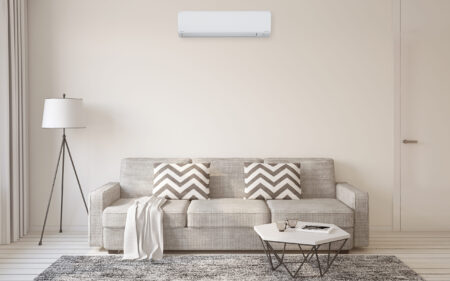
Your ductless system worked hard during the summer. Before cold weather hits, it needs a quick check to stay reliable as the season changes. At Hoff Heating & AC, in O’Fallon, MO, we help homeowners handle the kind of maintenance that keeps ductless units running quietly and reliably year-round. If this is your first time prepping your mini split for fall, you’re in the right place.
Why Fall Matters Even Without Ductwork
You might assume ductless systems skip seasonal prep because they don’t rely on large duct networks or gas burners. They’re compact, sleek, and often quieter than traditional systems. That doesn’t mean they’re set-it-and-forget-it. Ductless units still manage airflow, refrigerant pressure, and drainage, all of which are affected by changing seasons. Fall brings shifting indoor and outdoor temperatures, fluctuating humidity, and more frequent cycling as heating demands ramp up. That seasonal shift makes early fall the best time to prep your mini split for what’s coming next.
As leaves fall and the air gets cooler, your outdoor unit starts working differently. Any debris near the base, like twigs or dead leaves, could obstruct airflow or trap moisture. Clearing out that area gives the system better breathing room when it needs it most. Indoors, if the filters still carry summer’s dust, they’ll slow airflow right when your home needs warm air to circulate cleanly and evenly.
Filters Collect More Than You Think
Every ductless head has a filter, and during the cooling season, those filters collect all kinds of debris. You’ve got dust, pollen, pet hair, and maybe even some kitchen grease if a unit is near the stove. If those filters stay clogged, your system has to work harder to deliver heat once you switch over from cooling. That doesn’t just mean weaker airflow; it also affects energy use.
Dirty filters slow circulation and trap heat inside the unit, which can cause the coils to frost or the compressor to short cycle. Neither issue gets better on its own. When you inspect and clean your filters each fall, you give the system a chance to operate with better efficiency and airflow. Most filters are washable, and a simple rinse under warm water will do the trick. Just make sure they’re fully dry before reinstalling them. A clean filter keeps your air fresher and your room warmer without pushing the system too hard.
Check That Drain Line Before Winter Hits
Your ductless system controls both heating and moisture. In fall, the drain line that removes summer humidity needs to be cleared so water doesn’t back up or leak. If it’s still holding standing water, it could freeze when the temperature drops. That ice can block the flow entirely or crack parts of the drain tray.
When you check it in the fall, look for any sagging in the line or algae buildup inside the tubing. You might notice a mildew smell indoors if the line has been backing up for a while. A clear, dry drain line in the fall helps prevent damage when winter arrives and gives your HVAC system a smoother heating start.
Defrost Mode Is Coming — Be Ready for It
In winter, your ductless unit will occasionally stop heating to run a defrost cycle. That’s completely normal; it happens when frost builds up on the outdoor coil. But if your unit hasn’t been cleaned in the fall, that frost can build up faster and force longer defrost cycles. You might feel the indoor air turn cool or notice the appliance humming a little differently. That’s not a breakdown; it’s a response to outdoor conditions. Fall maintenance helps shorten those cycles by keeping the coil cleaner and better exposed to airflow.
If the outdoor unit is already blocked by leaves, dirt, or even spider webs, it’ll have a harder time clearing frost once winter hits. When you clean the coil or schedule a fall checkup, you set the system up for shorter, smoother defrost cycles. That means fewer interruptions and more reliable heat.
Refrigerant Pressure Still Needs Monitoring
Even if your ductless unit cooled perfectly all summer, you can’t assume the refrigerant level is still ideal for heating. Heat pumps operate by shifting refrigerant back and forth, absorbing heat from outside and releasing it indoors. If there’s even a small leak in the system, the pressure will drop. That drop makes heating less efficient and sometimes leaves you with lukewarm air when you need something stronger.
In the fall, checking refrigerant pressure isn’t something you can do yourself, but it’s a smart reason to schedule a professional tune-up. A licensed technician can hook up gauges to confirm the system’s pressure levels. If there’s a leak or a slow decline, catching it now is a lot easier than discovering it on the first freezing morning in December.
Thermostat Settings Might Need Tweaking
When the seasons change, your habits change, too. You may want your home warmer in the morning and cooler at night when you’re sleeping. Either way, your ductless system needs a thermostat reset in the fall. If you use a remote control or app-based setup, review your scheduled heating times and temperatures now. Otherwise, the system might start heating when you don’t want it to or run constantly when you’re not at home.
Fall is also a smart time to test how each indoor head responds to your preferred settings. If one room heats up faster than another, that might indicate a dirty filter or a blocked return. A quick test run in heating mode can help you catch those differences before you rely on the system for daily heat. Once you’ve locked in comfortable thermostat settings, you’ll be less likely to fiddle with them later when it’s cold.
Listen for Anything That Sounds Off
Fall is one of the quietest times for HVAC systems, which makes it perfect for noticing small noises. If you switch your mini split to heating mode and hear anything new, like a buzzing, clicking, or louder fan noise, pause and listen. That noise could point to a loose mounting bracket, a fan blade catching debris, or a vibration issue in the outdoor unit.
Some noise is normal, especially during startup or defrost mode, but consistent, unusual sounds usually mean something has shifted or gotten dirty. You wouldn’t like to hear those noises for the first time in the middle of a cold snap. Fall gives you space to test the system during milder weather and deal with anything strange before you depend on that heat every day.
Give the Outdoor Unit a Little Elbow Room
The outdoor portion of a ductless system doesn’t need much space, but it does need clear airflow. Fall leaves, weeds, and even patio furniture can block the airflow and cause the system to overheat or short cycle. You might not notice a problem right away, but once temperatures drop, you’ll want the outdoor unit ready to pull in cold air and push out extra heat.
Try to keep a 2-to-3-foot radius around the outdoor unit clear. If you’ve been doing yard work or raking leaves, make sure nothing piles up near the base or vents. Fall is also a good time to clean the fins with a soft brush or hose. Just make sure the system is powered off first. Clean fins give better airflow, and that makes a real difference once heating mode kicks in more frequently.
Schedule Your Fall Ductless Mini-Split Tune-Up Today
Ductless systems run differently from furnaces, but they aren’t maintenance-free. Fall gives you a window to check filters, clear drainage lines, and spot small issues before you switch to heat mode full-time. If it’s been a while since your last service, we also offer mini split inspections, performance checks, and drain cleanings.
Schedule your fall maintenance in O’Fallon today with Hoff Heating & AC.