


 Call Us Today
Are Your Air Ducts Helping or Harming Your Home’s Air?
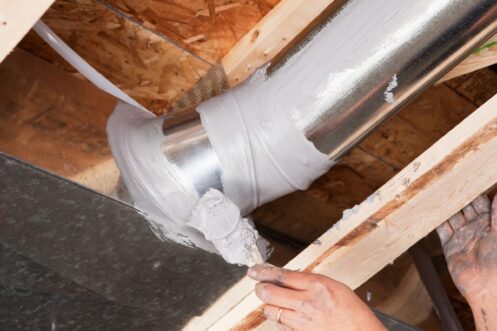
When you think about indoor air quality, filters and purifiers might come to mind, but your air ducts affect the air you breathe every day as well. If they’re dusty, leaky, or poorly designed, they can spread more than just warm or cool air. They can also move dust, allergens, and stale air from room to room. At Hoff Heating & AC, in O’Fallon, MD, we’ve seen firsthand how overlooked ductwork can affect comfort and health.
Why Ducts Matter
The air in your home travels a long path before it ever reaches the room you’re standing in. That path often winds through a series of ducts behind your walls and ceilings. If those ducts aren’t in great shape, the air they move won’t be either. A well-built, clean duct system helps deliver steady airflow. It also helps keep the air fresh by circulating it without collecting debris or stirring up particles that were previously stationary.
When that system breaks down, your indoor environment starts to change. You might feel stuffy in one room and chilly in the next. You might smell something that was cooked two days ago, or feel like your allergies don’t go away even after a deep clean. These signs often trace back to ductwork that’s leaking, dirty, or clogged. The air has to travel, and if the highway is blocked or broken, your system can’t deliver. It also works harder, leading to more heating and AC repairs and a shorter lifespan.
Dust, Debris, and What Ducts Can Carry
If your duct system hasn’t been cleaned or checked in years, you’re probably carrying more than air through those vents. Dust builds up fast in ductwork, especially when filters don’t get changed regularly. But it’s not just dust. Pollen, pet hair, insulation particles, and even drywall dust from old projects can end up stuck inside the ducts. When air passes through, it lifts some of that debris and pushes it back into your living space.
They might be circulating what’s stuck to their sides. That buildup doesn’t just affect how the air smells or feels; it can make the whole HVAC system strain harder to keep the house comfortable. When airflow gets blocked, it affects every room.
Leaky Ducts Let Air Slip Away
Even if your ducts are clean, they might still be doing more harm than good if they leak. Small gaps in the seams or joints allow air to escape into walls, attics, or crawlspaces. That lost air doesn’t cool or heat your home; it disappears. At the same time, the system works harder to reach the temperature you set. That effort often shows up as a higher energy bill and longer run times. Rooms at the end of the line might never feel quite right.
You might find yourself cranking the thermostat just to get your bedroom comfortable, only to overheat the rest of the house. Leaks also create backflow opportunities where outside particles or insulation fibers slip into the ducts, getting carried right back into your home. Even a small gap can throw off your system’s balance and affect how the entire space feels.
Humidity and the Ductwork Connection
Ducts don’t just move air; they influence how dry or damp your home feels. When ductwork runs through unconditioned spaces like attics or basements, the outside air can affect the temperature inside the duct. That leads to condensation, especially in the summer. When condensation builds up, it creates spots where moisture sits. That dampness may not stay contained. It can interact with dust and insulation, setting the stage for unpleasant odors and the growth of unhealthy organisms.
If you’ve noticed a musty smell when the system kicks on, it’s worth looking at the ducts. In some cases, duct insulation gets soaked from the inside-out condensation and starts to break down. That breakdown releases fibers and particles into the air supply.
What Air Pressure Says About Your Ducts
A less obvious sign of duct problems is inconsistent air pressure. If some rooms feel like they’re getting blasted while others stay still, the ducts could be unevenly distributing air. That might be due to poor layout, blockages, or leaks. Balanced airflow depends on ducts sized for the space they serve. Undersized or oversized ducts create problems that the thermostat can’t fix. You might feel comfortable near the system, while rooms down the line never quite catch up.
You might also hear whistling or rattling when air moves through tight spots or gaps. Those sounds aren’t normal; they suggest the air is trying to force its way through a space that isn’t properly set up for it. Over time, that pressure imbalance affects the entire system. The fan wears down faster, and the system cycles more often, all while the rooms still feel off. The pressure pattern throughout your home is often written inside the ducts.
Old Ducts and What Time Can Do
Older homes often hide older duct systems. Many were built with materials or layouts that don’t match today’s standards. You might have metal ducts that were sealed with outdated compounds or joints that have shifted over the years. Age makes ducts vulnerable to gaps, rust, and insulation breakdown. If your house has been renovated or had major work done, the duct system might’ve been partially altered but not fully upgraded. That patchwork layout creates hot and cold spots and uneven airflow that can confuse even the best HVAC units.
The outside might look like a modern system, but what’s behind the walls still matters. Even flexible ductwork, popular in newer builds, wears out faster than most people think. It can sag or collapse, especially if not installed with enough support. Those small sags disrupt the path of air and reduce the amount that reaches your rooms.
When Vents Don’t Tell the Full Story
You might glance at your floor or ceiling vents and assume everything’s working fine. Air comes out. Rooms eventually warm up or cool down. But vents only show the final step. The real story begins behind them. Ducts may be clogged, torn, or misaligned without showing anything obvious at the surface. In some homes, a major blockage might go unnoticed because the room just feels a little off instead of completely uncomfortable. If the air is still moving, even a small amount, you might not suspect the ducts.
That’s what makes these problems tricky. The signs feel minor, but the impact adds up. Dust layers on vents might be a symptom of something deeper. That slight smell that shows up every time the system starts might trace back to a duct corner filled with damp insulation. If you’ve already changed the filter and cleaned the vents, and something still feels wrong, it’s worth considering what’s happening between the unit and the room.
Why HVAC Upgrades Fall Flat Without Duct Attention
Upgrading your heating or cooling unit feels like a smart move when things stop working. But without looking at the ductwork, that upgrade might not deliver what you expected. A high-efficiency system can only work as designed if the air moves through clean, sealed, properly sized ducts. If the duct system can’t handle the pressure or distribute the airflow evenly, the new unit will still struggle. You might hear it running more than you thought you would.
Rooms might stay uneven in temperature. You might even see your bills stay high despite the upgrade. A unit can only push air. The ducts have to carry it. If those two aren’t in sync, you’ll keep chasing comfort without fully getting there. It’s not about how powerful your HVAC system is. It’s about how well the air moves between it and your living space.
Take Care of Your Ductwork Today
Air ducts don’t just move air, they shape it. Whether they’re clean and sealed or clogged and leaky, they have a direct effect on how fresh your home feels. If your allergies flare up indoors or you’re noticing more dust than usual, it might not be your cleaning routine; it could be a problem with your ductwork. Hoff Heating & AC also offers duct inspections, sealing, and cleaning to help improve air quality where it matters most.
Ready to breathe easier? Contact the Hoff Heating & AC heating and AC services team to get your duct system working for you.